Corporate Travel Itinerary for Cape Town Teams
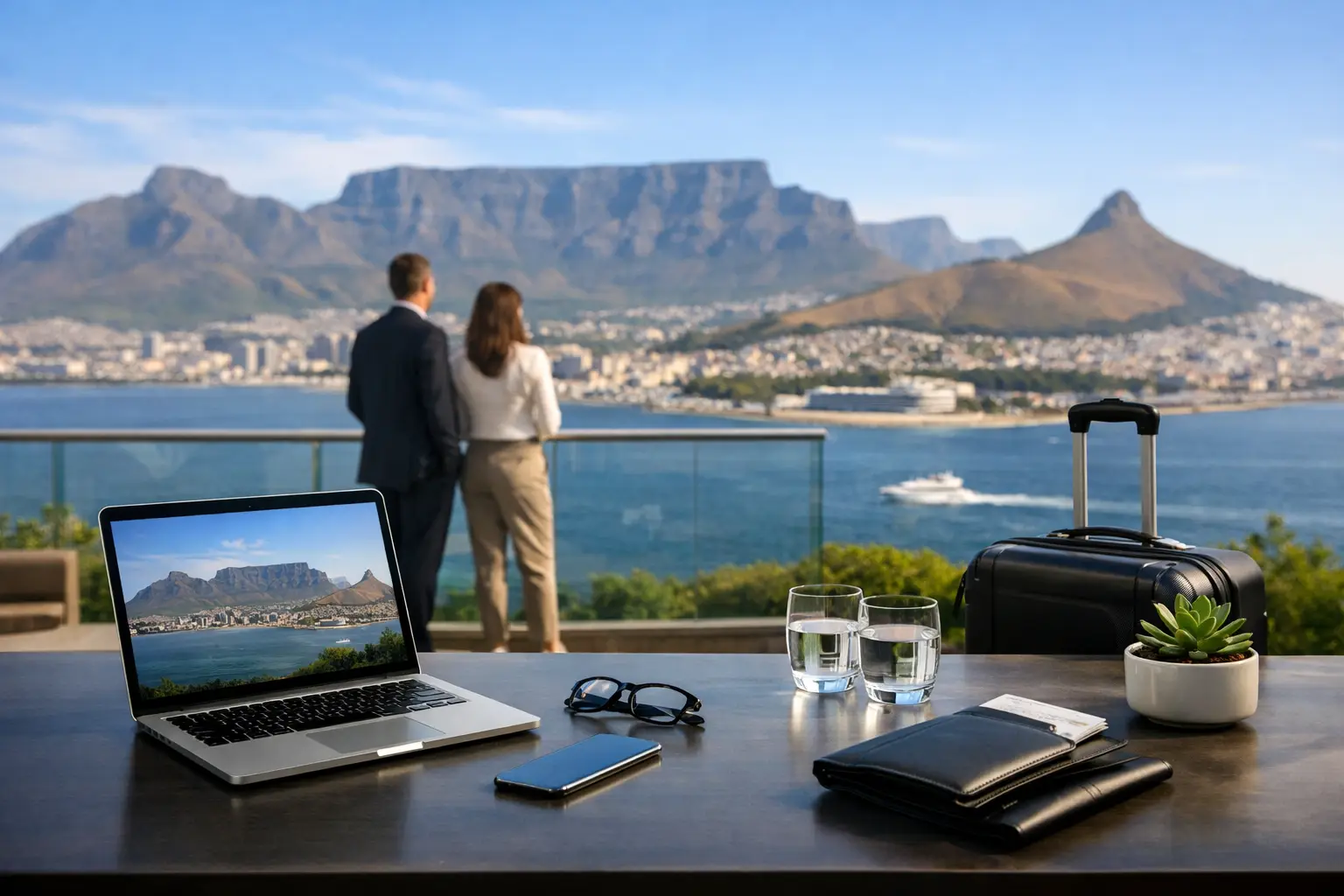
A corporate travel itinerary should do more than move guests from the airport to a meeting room. For a team arriving in Cape Town, it needs to protect productive hours, keep people comfortable after long flights, and create enough space for the destination to make an impression. The difference is usually in the details: a realistic drive time, a driver waiting at the right terminal, a lunch stop that works for a group, and a clear plan when weather changes the day.
Cape Town is an excellent corporate destination because a business program can sit naturally alongside Table Mountain views, Winelands dining, coastal drives, and team experiences. It also has real logistical considerations. Traffic, peak-season attraction access, group luggage, dietary needs, flight schedules, and the size of the coach all affect the final plan.
Start the Corporate Travel Itinerary With Arrivals
The arrival day sets the tone. Rather than asking guests to arrange their own rides after an overnight flight, schedule airport transfers around flight times and hotel check-in availability. For senior executives or small VIP groups, private vehicles offer privacy and a direct route to the hotel. Larger delegations may need staggered shuttle departures or a dedicated coach with luggage capacity.
Allow for immigration, baggage collection, and a buffer for delayed flights. International arrivals should not be booked into a formal activity immediately afterward. A simple transfer, hotel check-in, time to refresh, and a relaxed welcome dinner is usually the better decision.
For a group staying in the city center or along the Atlantic Seaboard, a waterfront restaurant can work well for the first evening. Keep the timing flexible. People traveling from the US may be energized by the excitement of arrival, but jet lag often catches up quickly.
Build Around the Reason for the Trip
Every corporate program has a primary purpose. It may be a conference, leadership retreat, incentive trip, client hosting program, product launch, or company celebration. The itinerary should make that purpose easy to achieve before adding sightseeing.
A conference group needs punctual hotel-to-venue transfers, clear pickup points, and enough vehicles to avoid long waits. An incentive group may place more value on scenery, food, wine, and memorable shared activities. A leadership team may prefer a private Cape Winelands day with a quiet lunch venue where conversations can continue away from the office.
This is where a customized approach matters. A packed schedule may sound impressive on paper, but it can leave attendees tired and late for the moments that matter most. It is often better to choose one standout experience each day and leave room for travel, photos, informal conversations, and unexpected delays.
A Practical Three-Day Cape Town Format
For many visiting teams, three full days provides a strong balance of business and destination experiences. Day one can focus on arrivals, hotel transfers, and a welcome dinner. Day two can hold the central business agenda, followed by an early-evening city or waterfront experience. Day three can become the group reward: a Cape Peninsula outing, Winelands program, or safari day trip depending on the group’s interests and available time.
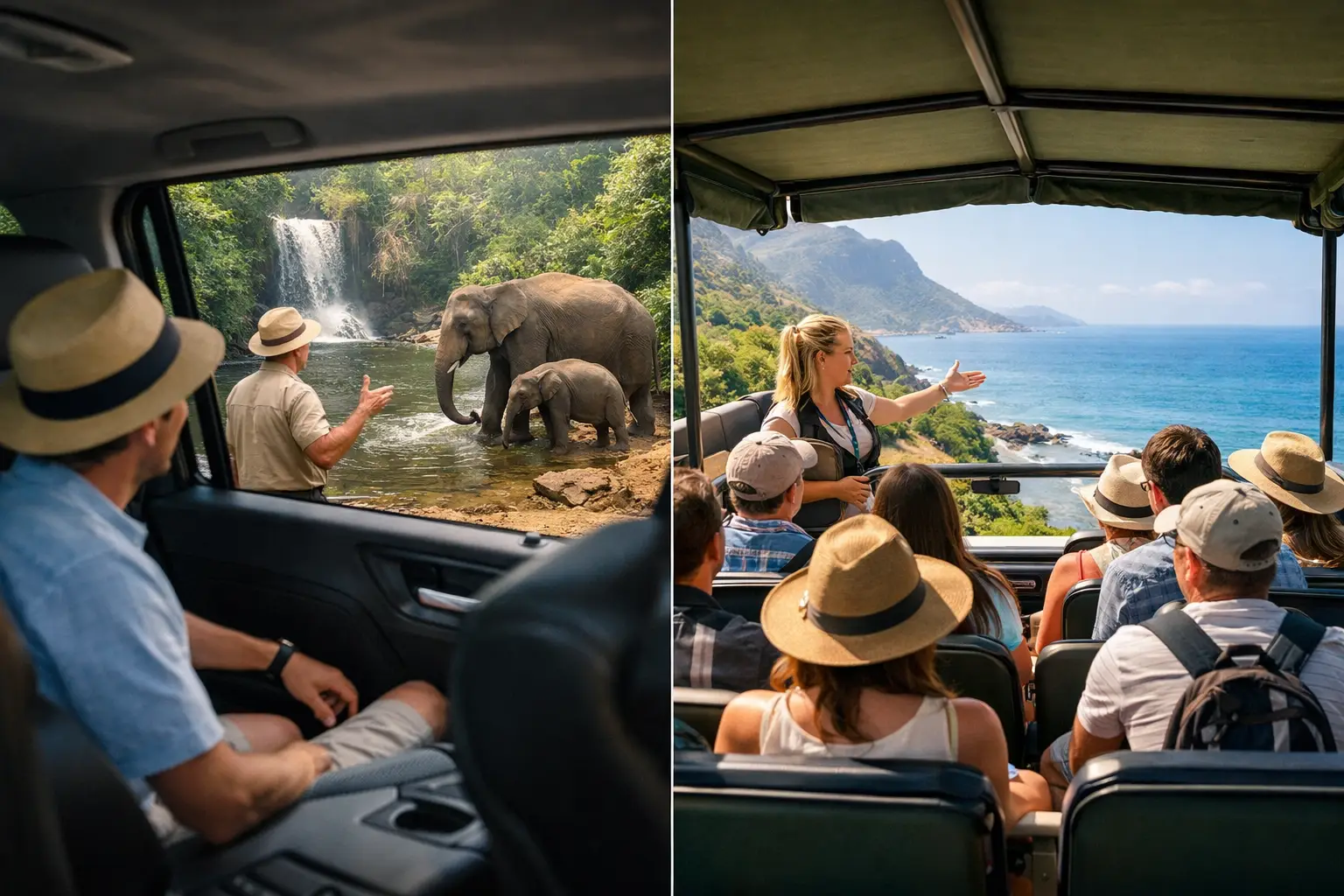
If the group has only one free day, choose the experience that best suits its personality. The Cape Peninsula is ideal for teams who want dramatic coastlines, Boulders Beach penguins, Cape Point, and Chapman’s Peak. The Winelands suits client groups, food lovers, and teams looking for a more relaxed, premium pace. A safari day can be a powerful option for international guests, but it requires an early departure and a long return journey, so it is best planned as a full commitment rather than squeezed between meetings.
Choose Transport for the Group You Actually Have
Transport is not simply a transfer line item. It determines whether the day feels organized or fragmented. A vehicle that is too small creates luggage problems and discomfort. A vehicle that is too large for a small executive group can feel impersonal and may limit access at certain properties or restaurants.
Ask for the number of guests, luggage expectations, mobility requirements, and whether guests will be traveling together throughout the day. Groups of 20 to 200 need careful vehicle planning, including coach access, loading areas, and hotel pickup timing. Smaller groups can benefit from private vehicles that allow for more flexible departure times and route adjustments.
Onboard water, WiFi, and a knowledgeable local driver or guide are practical additions, especially on longer touring days. They help guests stay connected, hydrated, and informed without placing more responsibility on the event organizer.
Make Time Work Harder, Not Longer
Cape Town distances can be misleading. A map may show two attractions close together, yet traffic, parking, road conditions, and a group’s walking pace can change the actual schedule. Build in realistic travel windows rather than promising minute-by-minute precision.
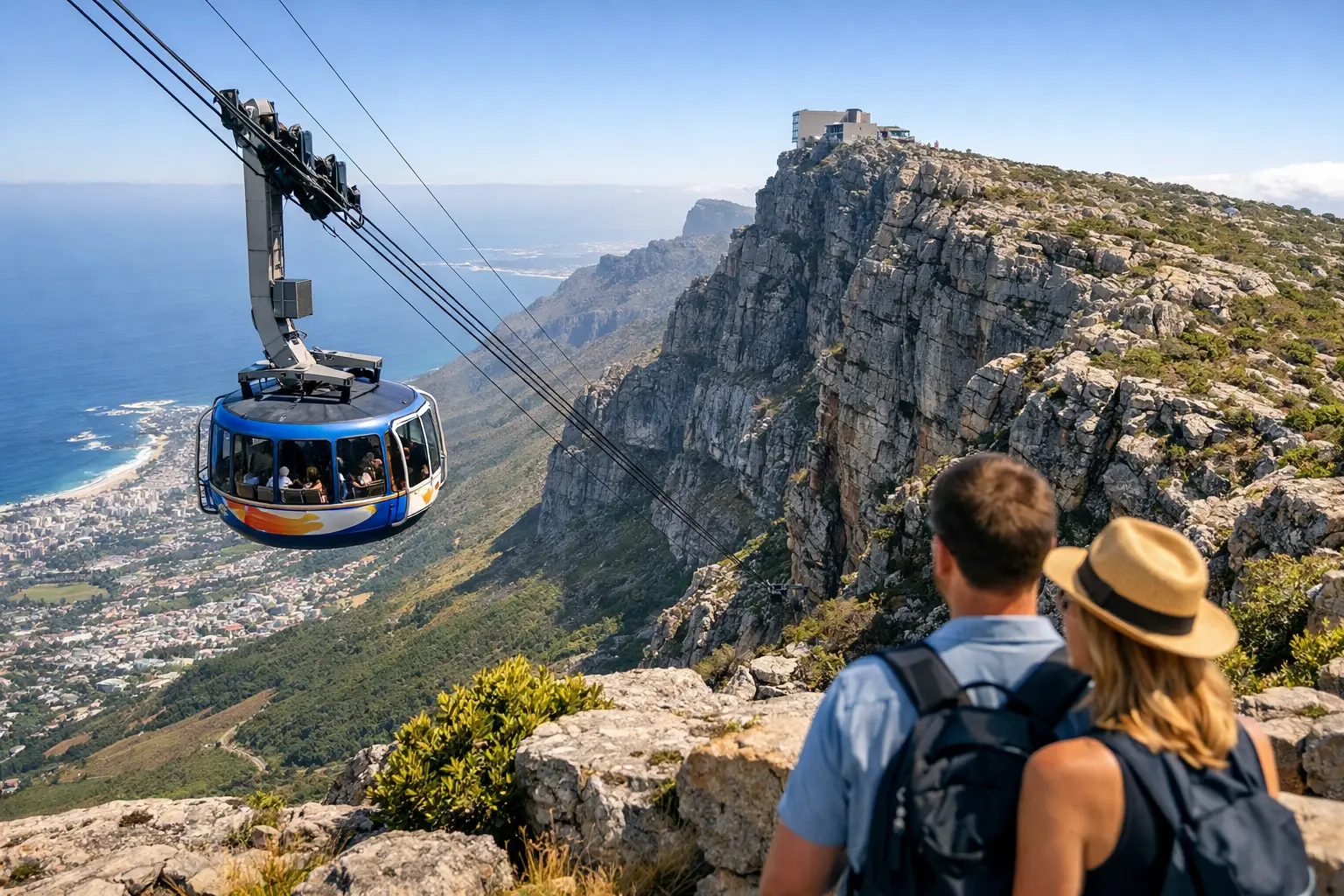
Table Mountain is a good example. Weather can affect cableway operations, and peak periods can bring longer waits. Keep an alternative city activity available, such as the V&A Waterfront, a cultural stop, or a museum visit. Similarly, Chapman’s Peak Drive may occasionally be affected by safety closures or weather conditions. A local operator can adjust the route while protecting the overall experience.
Meal planning also deserves attention. A group of 40 cannot walk into a popular restaurant and expect immediate seating. Pre-arranged menus, dietary information collected in advance, and timed reservations keep the day moving. For wine tastings, consider whether guests need a full seated lunch, a lighter shared meal, or a tasting-and-canapé format before an evening function.
Add Experiences That Create Conversation
The best corporate outings give guests something to talk about long after the event. They do not need to be extreme or expensive. A scenic drive to Cape Point, a guided tasting in Stellenbosch or Franschhoek, a penguin visit at Boulders Beach, or a sunset moment along the coast can create a genuine sense of place.
Match the activity to the group. A young sales team may enjoy a dune adventure or a more active outdoor option. A mixed-age delegation may prefer a guided sightseeing day with comfortable transport, short walks, and selected stops. For an international client group, Cape Town’s wildlife, coastal scenery, and wine culture often provide a strong introduction to South Africa without overloading the schedule.
Optional activities are useful when attendees have different interests. Just be clear about what is included, what requires advance booking, and who is responsible for payments. An itinerary works best when guests know where to be, what to bring, and how much free time they have.
Confirm the Operational Details Early
Before finalizing the program, the organizer should confirm five essentials:
- Flight numbers, arrival dates, and airline terminals
- Hotel names, pickup points, and room-release timing
- Final guest count, luggage needs, and accessibility requirements
- Dietary preferences and meal-service deadlines
- A designated on-site contact with a working mobile number
It is also wise to share a simple guest-facing schedule before departure. Include pickup times, dress guidance, expected weather, walking levels, meal inclusions, and what happens if someone misses the vehicle. Guests appreciate clarity, particularly when they are navigating a new country after a long journey.
Plan for Flexibility Without Losing Control
A well-managed itinerary has structure, but it should not be rigid. Weather may shift a mountain visit to another day. A flight delay may require a later transfer. A meeting may run over, leaving less time for a planned stop. The answer is not to abandon the experience. It is to work with a transport and touring partner that understands the routes, venue timing, and realistic alternatives.
Flexi Tours can coordinate private transfers, guided touring, and coach transport for corporate groups, helping organizers keep the moving parts in one practical plan. Whether the group needs executive airport pickups, a 50-seat coach for a conference transfer, or a full-day Winelands program, the itinerary should be quoted around the group’s actual needs rather than a generic package.
Give your guests a schedule that feels considered rather than crowded. When the right vehicle arrives on time, the route makes sense, and there is room to enjoy the view, Cape Town becomes part of the event’s success - not another item for the organizer to manage.
Planning your Cape Town trip?
Let Flexi Tours build your itinerary. Tell us your dates, group size and where you're staying.